We've got great speakers preparing amazing talks, from Voice AI, to Real-Time Voice, to MOQ streaming.
Here's the list of this year's talks.

For years, WebRTC has been the scrappy hero of real-time communications, kind of like that old car you’ve been driving since college. And, WebRTC developers have poured their hearts into making real-time communication work, often fighting uphill battles with legacy quirks. Enter Media over QUIC (MOQ), a slick, modern alternative that promises to fix many of WebRTC’s headaches. This talk is a friendly nudge to say: “You’ve done amazing work, but it’s time to move on to something better.” 
After a long period of stability, the WebRTC wire protocol as defined by the IETF is showing signs of change. 
MoQ has been all the rage, lately, and it's gaining a lot of interest. But, for people familiar with WebRTC, how does it work and how do they differ? This talk will give a brief intro to MoQ and some mappings to WebRTC functionality, with a few mentions on gatewaying implementation experience using the imquic library and the Janus WebRTC Server. 
DVRTC is an intentionally vulnerable VoIP/WebRTC platform we built for security testing. We've now added a vulnerable WebRTC conferencing scenario. This talk covers what we implemented, how we broke it, and what attackers actually go after in real-world conferencing systems. 
This talk explores practical, real-world use cases for blockchain in telecom, including decentralized notifications, proof of purchase using zero-knowledge proofs, subscription management with ENS, client-side telecom portals using blockchain as a backend state layer, and mobile number portability. 
TBC 
A deep dive into tech architectures and lessons learned interfacing AI agents to multiple telco networks. How to bridge the gap between AI agent capability leaps and staple commercial requirements like resilience, reliability, media quality and latency. 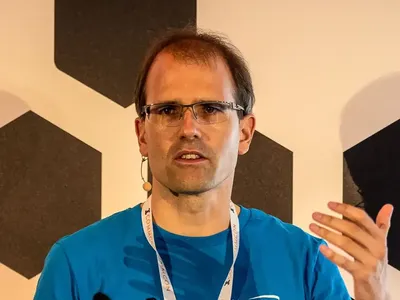
Most AI voice solutions sit on top of CPaaS platforms, with little control over call routing or media streams. In this talk, we present a different approach: integrating WhatsApp voice into a SIP architecture using Kamailio, and extending with Asterisk running real-time AI voice agents. We will walk through how WhatsApp calls are handled at the SIP and RTP level, and how an AI pipeline (STT -> LLM -> TTS) can operate as a SIP endpoint inside the network. The talk will conclude with several service examples and experiences from real-world usage of the services. 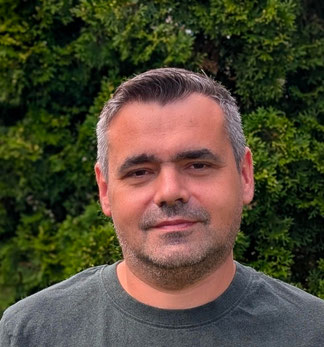
Legacy telephony and modern AI live in different worlds. SIP trunks speak G.711 over UDP; AI agents want WebSocket streams of clean PCM. Bridging them usually means stitching together multiple open-source projects, glue scripts, and a prayer. What if one service handled it all? 
OpenSIPS Community Editions package real-life SIP platforms into ready-to-run, Docker-based projects. This talk explores the motivation behind the initiative, the available CE projects — SoftSwitch, AI Voice Connector, IMS, and SBC — and how they can be used for demos, PoCs, learning, and as starting points for production-grade deployments. 
DragonPBX is a new programmable SIP PBX built on the Drachtio SRF framework with RTPEngine for media handling. It delegates all call routing decisions to external HTTP endpoints meaning your call logic lives in simple web services that return JSON, not in config files. This talk introduces the project, walks through its architecture and call flow, and includes a live demo showing how quickly you can go from zero to a working PBX with HTTP-driven call control. 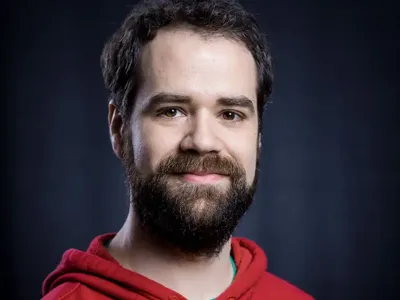
In this talk, we share our experiences designing and running a high-traffic, highly available system while implementing complex telco features and meeting strict regulatory requirements. Along the way, we also explored how AI can be integrated into such a platform. Expect practical insights, hard-earned lessons, and an honest look at both the successes and the bumps in the road. 
TBC 
TBC 
Migrating from one media server to another can be a daunting task especially in production environments with complex features. In this talk, I’ll walk through the key steps for successfully migrating your media server, including requirement gathering, evaluating media server options, planning, implementation, testing and all the challenges in between. 
Products today are built from multiple systems and vendors—but billing still needs to be unified. This session shows how CGRateS consolidates diverse data sources into a single, customizable billed CDR format. 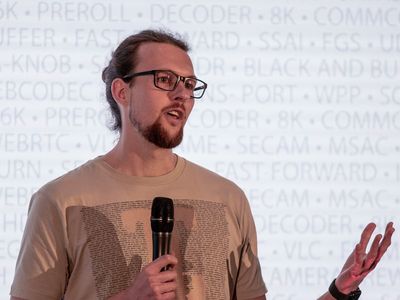
MOQ has drawn a lot of attention in the past few years as the new protocol for streaming media and data. Its promise: live streaming to large audiences with sub-second latency. This is my experience of making CommCon 2026 one of the very first conferences to be live-streamed using MOQ.
2026 Sponsors
Platinum Sponsors

Gold Sponsors

Silver Sponsors




Community Sponsors